

“Early to bed and early to rise?” If only it were that easy. If you’re someone who can’t fall asleep on time —or seemingly at all —then it doesn’t matter how early you get to bed—sleep just isn’t happening. Still, that doesn’t have to be the end of the story. It may be time to take a closer look at your sleep habits and see what you can do to improve your sleep quality.
After all, as you’ve probably noticed, poor sleep can affect many areas of your life. It has been linked to health problems like heart disease and diabetes, can increase the chances of accidents or injuries, and can affect your mood and overall quality of life. That’s why it’s so important to make sleep a priority.
If you’re ready to find out how to start sleeping better, let’s begin by dividing the process into three basic categories.
A. Daytime Routine B. Evening Routine C. Bedroom Environment
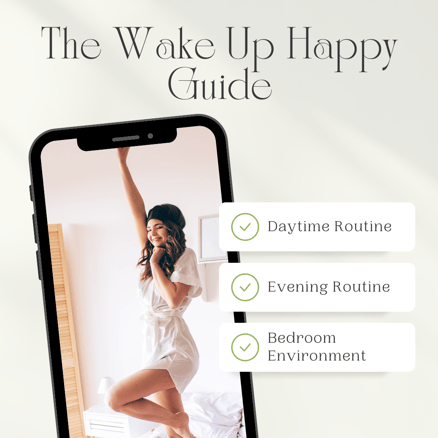
Read on for 15 Sleep Tips to Help You Sleep Better!
A. Daytime Routine

It’s no secret that many sleep problems come down to stress. Stress hormones like cortisol and adrenaline are stimulants that can make you feel more alert, agitated, and less able to fall asleep. So, if you have trouble sleeping, one of the best things you can do is try to reduce your stress levels during the day. One way to do this is by focusing on meaningful tasks during your waking hours rather than avoiding them.
Procrastination is a major cause of anxiety. Neglected habits, such as not getting enough exercise, can create added stress and take a toll on your health. Since procrastination is often connected to anxiety, it can affect your sleep and many other areas of your life.
To reduce stress and get better sleep, take care of yourself during the daytime. The self-care activities you may have been putting off are more important than you realize.
1. Try Exercising More
Exercise during the day can help you get better sleep. It supports overall health and may reduce stress levels that contribute to disrupted sleep patterns.
In particular, exercise can increase time spent in deep sleep, the most restorative stage of sleep. Since exercise can also help reduce stress and anxiety levels, it may help you fall asleep faster and stay asleep longer.
2. Practice Mindfulness and Meditation
Creating a mindfulness or meditation routine can help reduce stress levels and improve your overall mood — both of which are important for getting good sleep. A meditation practice can help relax your mind. You can also try setting aside time first thing in the morning to start your day with more calm and focus.
Need a meditation coach? Find meditation classes and coaches on Sofia Health. Or subscribe to Sofia Prime for access to unlimited live meditation, yoga, and wellness classes.
3. Eat Healthy Foods
Food can affect how well you sleep, so try to make sure that what you eat is healthy and nourishing. Eating processed foods and sugary snacks may make it harder for your body to relax and get a good night’s rest. Your diet should include plenty of lean protein and complex carbohydrates, such as whole grains and vegetables.
Some foods are also thought to have a positive effect on sleep quality, such as cherries and bananas.
4. Take Fewer Naps
Your sleeping patterns should be consistent from one day to the next to help support your body’s natural circadian rhythm. If you’re having trouble sleeping at night, taking long naps during the day may make it harder to fall asleep later on. If you feel like you need an afternoon nap, try to keep it short. A 15-minute catnap is a good amount of time for most people.
5. Try Sofia Prime
A subscription to Sofia Prime can help you find a range of yoga, meditation, tai chi, qigong, fitness, and wellness classes offered by experienced instructors. The classes are available at a variety of times, so you should be able to find one that fits your schedule.
B. Evening Routine

It can be hard to relax after a long day, but it’s important to include a wind-down period before bed. Your quality of sleep depends on it. Fortunately, there are a few things you can do in the evening to help you fall asleep faster and wake up feeling more refreshed.
6. Minimize Blue Light
The blue light from phones, computers, tablets, and TVs can keep you from falling asleep and staying asleep. Turn off electronics at least 30 minutes before bedtime so your body can wind down naturally.
It may also be helpful to wear blue-light-blocking glasses before bedtime. These glasses reduce the amount of blue light you’re exposed to, which may make it easier for your body to prepare for sleep.
7. Take a Relaxing Bath or Shower
A warm bath or shower can help relieve tension and allow you to unwind before bedtime. If you’re looking for an extra boost of relaxation, try adding calming scents for an aromatherapy boost, such as lavender oil or eucalyptus essential oil.
8. Read a Book
Reading can be relaxing and may help keep away thoughts that might otherwise keep you awake at night. It can also help your mind shift into a calmer state. Try reading fiction or poetry and see how much it helps.
9. Try 15 Minutes of Yoga
Yoga has been shown to improve sleep quality, so it can be a great way to wind down after a long day at work or school. Keep it light and gentle, though — you’re aiming for relaxation, not exhaustion.
Find wind-down yoga and meditation classes on Sofia Prime.
10. Listen to Relaxing Music or Guided Meditations
The right music can help you fall asleep faster, sleep more deeply, and wake up feeling refreshed. Alternatively, consider trying healing sound therapies, such as sound bowls, or listening to a sleep-focused meditation, such as those you can find on Sofia Health. See how these practices can help you sleep better.
To learn more about how meditation can help with sleep, check out our article "Meditation for Sleep"
C. Preparing Your Sleep Environment

The quality of your sleep environment can have a significant impact on the quality of your sleep. You need to create a space that supports rest first and foremost. From there, you can add small, sleep-focused details that make your bedroom feel even more calming.
11. Avoid Bright Lights and Noise
It’s important to create as dark a space as possible so you can get quality rest. Consider installing blackout curtains or using an eye mask to block out as much light as possible.
Also, try to minimize the amount of noise you hear in the room. If you live in an apartment building or another noisy environment, you can use a white noise machine to help drown out distracting sounds.
12. Temperature
Studies have shown that sleeping in an overly warm room can cause people to wake up more frequently throughout the night. Your bedroom should be cool enough to feel comfortable when you crawl into bed, but warm enough that you don’t get too cold while sleeping.
13. Use a Comfortable Mattress and Pillow
The right mattress and pillow can help improve your sleep quality by providing proper support to your body while you sleep. A good mattress should also be comfortable enough that you don’t feel like you’re lying on something hard. If your mattress is too firm or too soft, it could leave certain areas of your body feeling stiff.
A pillow that’s too thin or too thick can also make it difficult to get comfortable when you lie down.
14. Use Pleasant Aromas
Aromatherapies such as scented candles, essential oils, and diffusers are another easy way to create an inviting atmosphere for sleep at home. You can use them to decorate your bedroom, placing them near the bed to create a relaxing scent that can help you feel at ease and ready for sleep. You can even use scented oils or lotions to infuse your sheets or pillowcase with pleasant smells.
Make your own aromatherapy blends using essential oils. Find an instructor for a virtual class on Sofia Health.
15. Start a Sleep Journal
Start a journal or spreadsheet to keep track of your sleep patterns. You can use it to jot down how you feel during the day and at night, how much caffeine you’ve consumed, what time you went to bed and woke up, and more. This can help you identify patterns in your sleeping behavior that may be affecting your overall health.
Better Sleep is Possible!

If you’ve tried a few remedies and haven’t had any luck, it may be time to talk with a doctor about your sleep troubles. In some cases, medical problems can be the source of sleepless nights. Be sure to mention any changes in your health or lifestyle that may be making it difficult for you to sleep.
Hopefully, the list above will help you fall asleep faster and get the rest you need to thrive in this busy world. If you’d like some help with your sleep, consider reaching out to a provider or coach on Sofia Health. We have a network of health and wellness professionals across a variety of specialties, from sleep specialists to physical therapists. Our goal is to connect you with the right provider at the right time, so you can get the care you need to live your best life.

